
For most couples, platinum is the better choice than white gold: it is naturally white, never needs re-plating and wears better over decades. At Savoir-Faire Jewellery it also costs the same as 18ct white gold, which removes the usual reason to choose white gold. White gold still makes sense if you want a lighter ring, or 14ct on a tighter budget.
Here is the side-by-side comparison, then each question in turn.
| Platinum | White gold | |
|---|---|---|
| What it is | Pt950: 95% pure platinum | Gold (75% in 18ct, 58.5% in 14ct) alloyed with white metals, then rhodium plated |
| Colour | Naturally white all the way through | Bright white from the plating; warmer grey underneath |
| Upkeep | Occasional polish; no plating | Re-plating every 12-18 months if worn daily |
| How it wears | Scratches move metal rather than remove it; soft patina | Plating wears; gold thins very slowly with polishing |
| Feel | About 35-40% denser than 18ct gold | Lighter |
| Sensitive skin | The most hypoallergenic metal we use | Commonly nickel-free in quality Australian alloys |
| Our price | Same as 18ct white gold | 18ct same as platinum; 14ct and 9ct cost less |
What's the difference between platinum and white gold?
Platinum is a naturally white metal; white gold is yellow gold made white. Our platinum is Pt950, 95% pure, and white all the way through. White gold is gold alloyed with white metals that bleach its colour, then electroplated with rhodium for a bright mirror finish. Underneath that plating, white gold is a pale, slightly warm grey.
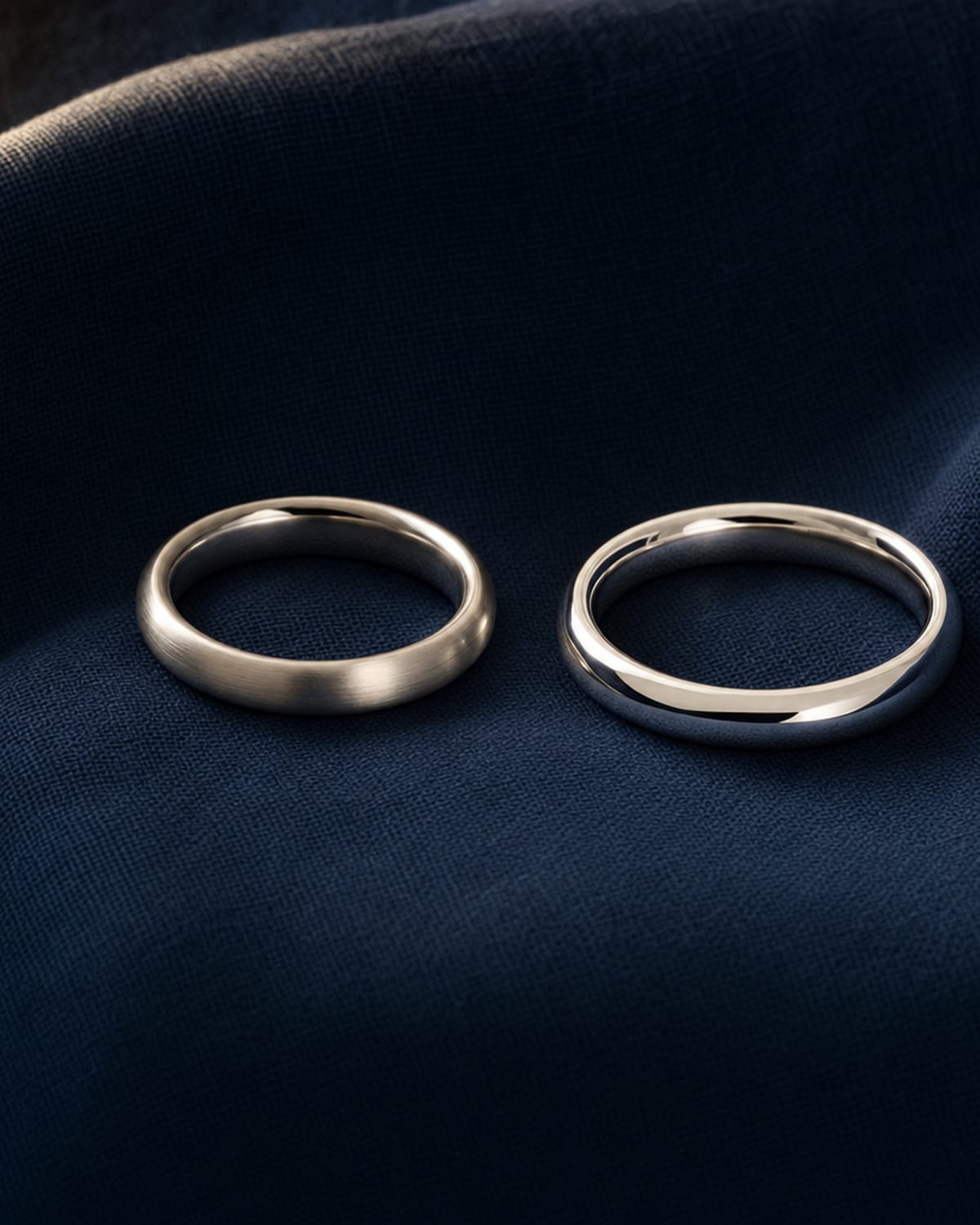
On the day you buy them, both look white. Freshly plated white gold is the brighter, more mirror-like white; platinum is a slightly softer, greyer white. The difference grows over time, because platinum stays the colour it is and white gold's plating wears. Our white gold guide explains what that wear looks like.
Which is more durable, platinum or white gold?
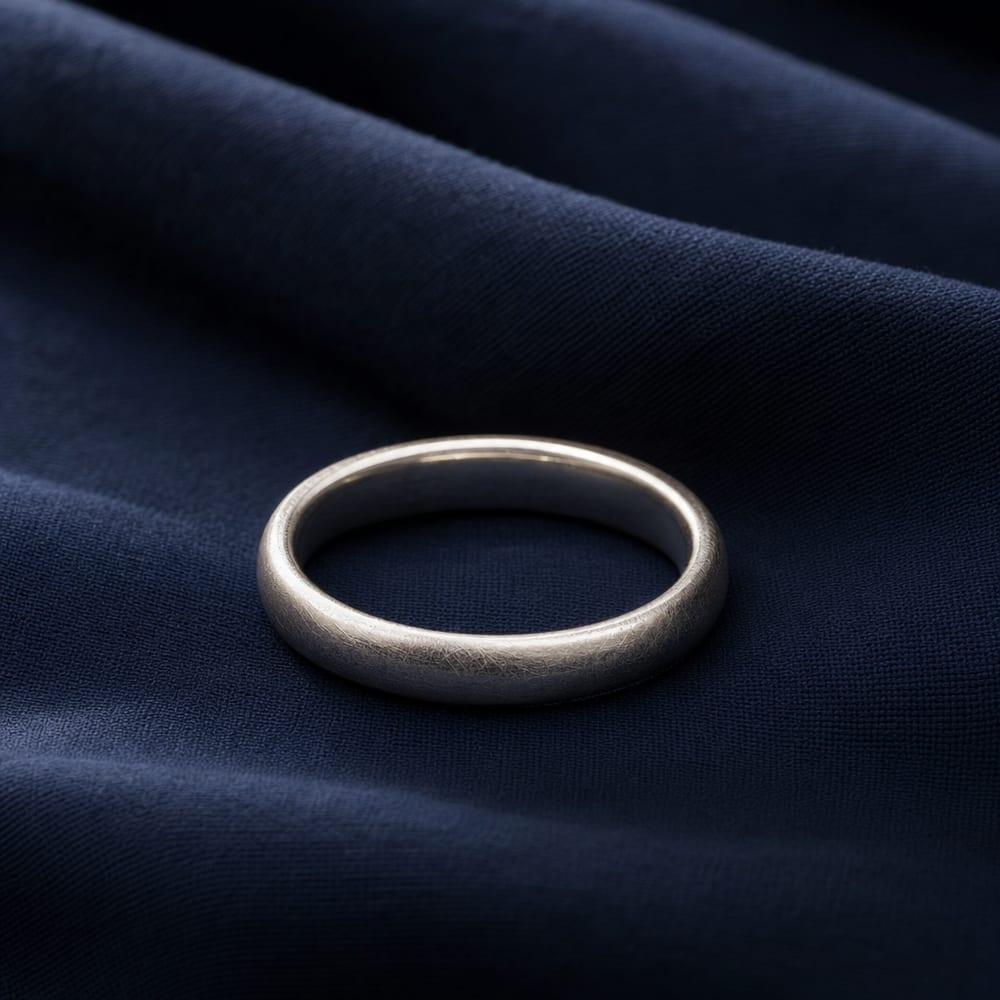
Platinum, though not in the way most people expect. Platinum actually shows fine scratches sooner than white gold, because it is the more malleable metal. What matters is where the metal goes. A scratch on platinum moves the metal rather than removing it, so over the years it builds a soft, satiny patina, and a jeweller can polish it back to a mirror shine again and again without it thinning.
Gold scratches by abrasion: a tiny sliver is lost each time, and every polish takes a little more. Over decades of daily wear, or several resizes, a gold ring slowly thins. That is why platinum is the heirloom metal.
One practical warning: don't judge durability by putting a shiny new gold sample next to a matte, scratched platinum one. Ask to see a platinum piece that has been re-polished. That is the fair comparison.
Which costs more, platinum or white gold?
At Savoir-Faire Jewellery, neither: platinum costs the same as 18ct white gold. We set that price parity in October 2026. 14ct and 9ct white gold cost less.
Elsewhere it varies. Gold has cost more than platinum per ounce since 2015, yet finished platinum rings often still cost more, with trade estimates putting them 40-50% above comparable white gold rings. Platinum is used at higher purity (95% against 75% for 18ct), it is far denser so a design needs more metal, and it takes higher temperatures and specialised tools to work. So don't compare raw metal prices; compare finished rings.
Then add the cost of owning the ring. A daily-worn white gold ring needs re-plating every 12 to 18 months, at about $60-$225 a visit in Australia. Over ten years, that is roughly six to ten visits. At our prices, an 18ct white gold ring costs the same as platinum on day one and more to own over the years that follow.
Which needs more maintenance?
White gold, by a long way. Its plating needs renewing every 12 to 18 months on a ring worn every day, sooner if it meets chlorine, saltwater or manual work. Platinum needs nothing but an occasional polish when you want the shine back, and many people prefer the patina.
Both metals need the same claw checks: every three to six months for a daily-worn engagement ring. The claws hold your diamond, and they wear on any ring.
Which is better for sensitive skin?
Platinum. It is 95% pure, the most hypoallergenic metal we use, and has no plating to wear through to a different metal underneath. If you have a confirmed metal allergy, it is our default recommendation.
White gold is usually fine too. Quality Australian white gold is commonly made with nickel-free, palladium-based alloys, so the main risk with a well-made local ring is the plating wearing through over the years, not nickel itself. Some cheaper imports still use nickel alloys, so ask.
Which feels better to wear?
That depends on whether you like weight. Platinum is about 35-40% denser than 18ct gold and roughly 60% denser than 14ct, so the same design feels noticeably more substantial on the hand. Many people love that reassuring weight. Others, especially with a wide band or a large setting, find it heavy, and that is the best reason to choose white gold.
Platinum vs white gold wedding rings
Match the band to your engagement ring. When two rings of different hardness rub together, the softer one wears faster where they touch, and platinum and gold wear differently over the years. A white gold band next to a platinum engagement ring also matches on day one, then drifts as the band's plating wears and its warmer tone starts to show beside the naturally white platinum.
Our platinum bands cost the same as 18ct gold bands, so here too, price needn't decide it. See women's platinum wedding rings and men's platinum wedding bands, or women's white gold wedding rings. Our wedding ring guide covers the rest of matching a band.
Our verdict
- Choose platinum if you want white metal you never have to re-plate, the best long-term wear, or a ring for sensitive skin. At our prices it costs the same as 18ct white gold.
- Choose 14ct white gold if budget comes first and you're happy to re-plate every year or so.
- Choose 18ct white gold if you want a lighter ring and the brightest mirror finish, and don't mind the upkeep.
Common questions
Is platinum worth it over white gold?
For most couples, yes. Platinum never needs re-plating, wears better over decades and suits sensitive skin. At Savoir-Faire Jewellery it costs the same as 18ct white gold, so the main reason to choose white gold is a lighter feel or the lower price of 14ct.
Can you tell platinum and white gold apart by looking?
Sometimes. Freshly plated white gold is a brighter, more mirror-like white, while platinum is a slightly softer, greyer white. Over time the difference grows, as white gold's plating wears and a warmer tone shows through.
Does platinum scratch more than white gold?
Platinum shows fine scratches sooner, but a scratch moves the metal rather than removing it. It develops a soft patina and can be polished back to a mirror shine without thinning. White gold's plating wears away instead.
Is 14ct white gold cheaper than platinum?
Yes. At Savoir-Faire Jewellery, 14ct and 9ct white gold settings cost less than platinum, while 18ct white gold costs the same as platinum. Remember to allow for re-plating with white gold.
Should my wedding band be platinum if my engagement ring is?
Yes, ideally. Rings of different metals wear against each other, and a white gold band will drift from platinum in colour as its plating wears. Our platinum bands cost the same as 18ct gold.
The quickest way to decide is to feel both. Browse platinum engagement rings and white gold engagement rings, or book a free consultation in Melbourne or by video and we'll show you the two side by side.